Selling on BidChips is six steps — submit your list, get a recovery estimate, authentication, demand creation, the auction, settlement — and you keep 60% of the closing price by default, paid at settlement. Nothing closes without you: when the auction ends you accept the bid, adjust the price, or pull the lot.
What do I submit?
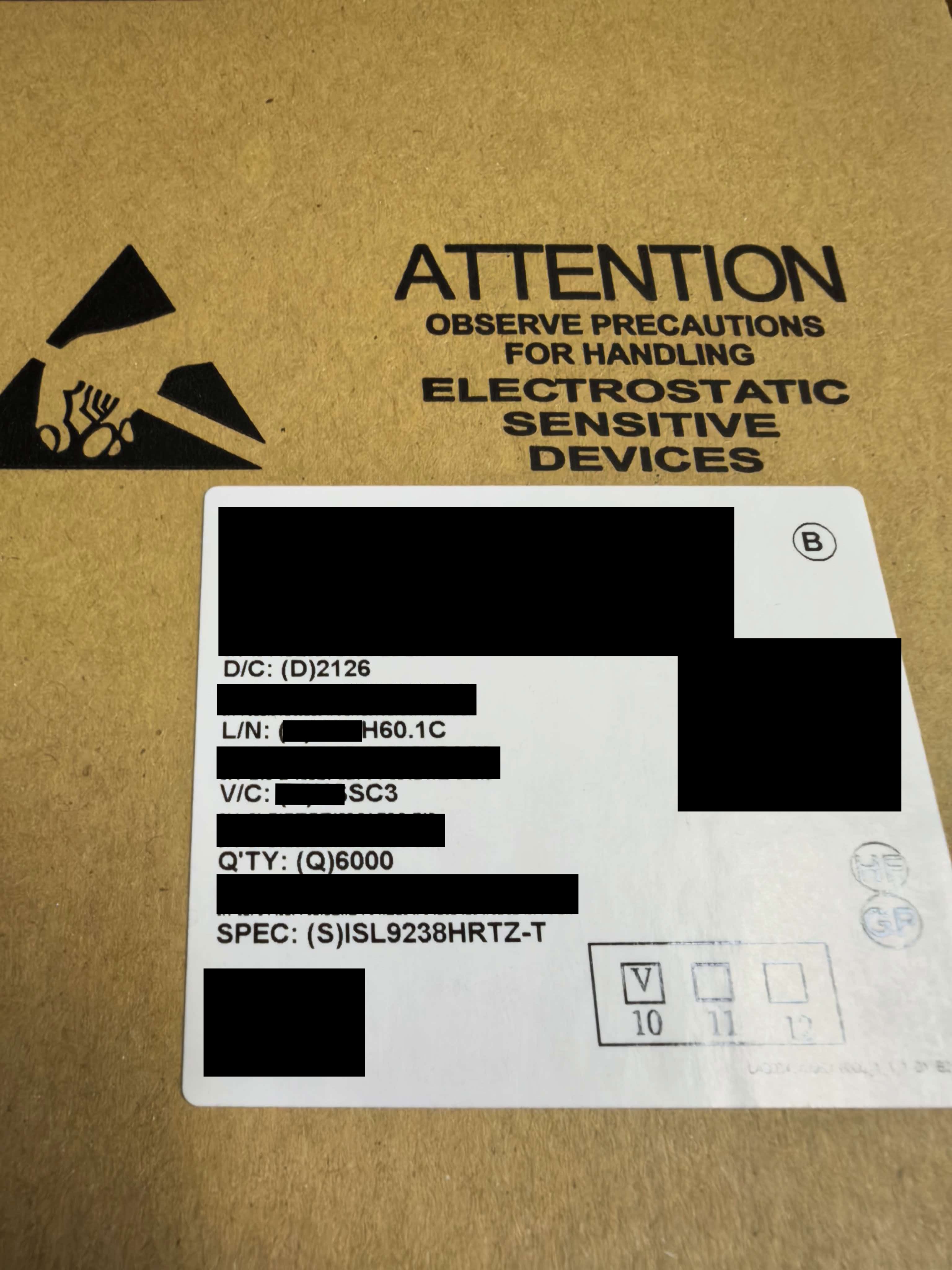
The essentials are the part number and manufacturer, the quantity, the condition, and clear photos of the packaging and labels. Date-code and traceability detail is optional, and it is the detail that moves fastest through authentication.
| What to submit | Why it matters | If it is missing |
|---|---|---|
| Part number (MPN) and manufacturer | How buyers search, and how the lot is matched to demand | There is nothing to value or list |
| Quantity | Every price on BidChips is per piece; quantity sets the lot’s total | No per-piece estimate can be built |
| Condition | Whether the lot is new and complete | Buyers assume the worst and bid that way |
| Photos of packaging and labels | Sets the packaging tier and gives authentication a starting point | The lot cannot be placed in a tier |
| Date code and traceability detail | Helps authentication move faster and lifts buyer confidence | Authentication takes longer and buyers have less to go on |
Upload the full excess list as Excel or CSV — or a single line. The sell page returns an intrinsic value range and a recovery estimate for every part, with no obligation.
How is the recovery estimate built?
A recovery estimate is a modeled per-piece range for what your parts should return, anchored to real market data: the floor, which becomes your reserve, and the achievable top. It is calibrated to where comparable lots actually clear rather than to a list price or a liquidation guess.
The range has three reference points, all measured against the lowest distribution price (LDP) for the part: a reserve typically at 5–15% of LDP, a Buy-It-Now around 60% where lots usually clear, and a shortage-market ceiling that approaches full LDP when demand meets scarce supply. You can set your own reserve floor or take BidChips-advised pricing; either way the auction sets the final number in the open. What your excess inventory is really worth walks through the range in detail.
Who authenticates the parts, and what do they check?
Lots without direct traceability are authenticated by White Horse Laboratories, a certified third-party lab, before shipment. The inspection covers external visual and marking-permanence checks, which are the tests that separate genuine parts from re-marked or counterfeit ones. Representative sampling is documented in the lab report, and additional tests such as x-ray or decapsulation may be performed if needed.
A lot that fails authentication does not ship. Only lots that pass are listed and delivered, which is how BidChips keeps counterfeits out of the marketplace. The report is tied to the lot and available on the dashboard to both buyer and seller, and per the Terms that certification satisfies the limited warranty for the certified product — the report is the proof, on file, for both sides.
What happens before the lot goes live?
Demand creation. Before a lot is listed, BidChips markets it to targeted end-users and qualified buyers so there is real competition on day one rather than a quiet lot waiting to be discovered. That up-front demand is what pushes recovery higher than a single-broker negotiation, and it is the second of the four steps in the BidChips Recovery Method™ — market value range, demand creation, price alignment of the reserve and BIN, and certified authentication — that set up the auction itself.
How does the auction run?
Your lot goes live to a global buyer base; BidChips reports buyers in 180+ countries. Every price is shown per piece. Buyers can place a bid, set a proxy max bid that BidChips bids for them one increment over the next-highest bidder, or take the Buy-It-Now price and end the auction for that lot instantly. The lot shows whether the reserve has been met, moves to “Accepting Final Bids” before it closes, and a bid in the final moments extends the close so nobody wins by timing alone. Check the lot’s closing time for the schedule; it is set per event.
Your seller dashboard shows the live recovery figure throughout — your net share if every live lot closed right now — updating as bids climb, per piece. How bidding works on BidChips covers the buyer’s side of the same auction.
What control do I have at close?
All of it. From the dashboard you can accept a bid, adjust a price, or pull a lot for internal use — line by line, or several at once. The auction sets the open-market price; you decide whether to collect on it. Nothing closes without you.
How and when am I paid?
Your payout is derived straight from the close:
Highest qualified bid at close (per piece) × quantity × your revenue split.
The split is 60% to the seller by default, occasionally negotiated higher, and it is the only platform charge stated: there are no hidden broker margins to chase. A smaller platform share on a bigger, competitively bid number is the argument against a liquidation flat rate. You are paid at settlement, once the auction closes and the sale completes, and the settlement is documented with the certified third-party report on file.
Shipping does not wait on you. Lots ship from major continents near where they are tested, and routing is tariff-smart to cut duty exposure and transit time for the buyer.
Frequently asked questions
Do I have to accept the final bid?
No. Nothing closes without you. From your dashboard you can accept a bid, adjust a price, or pull the lot for internal use, line by line or several at once.
What does BidChips charge?
BidChips works on a transparent revenue split — you keep your negotiated share, 60% by default. The competitive auction is what lifts the total, so a smaller platform share on a bigger number still beats a liquidation flat rate.
Can I sell a single line?
Yes. The sell page accepts a full spreadsheet or a single line, and returns a value range and recovery estimate either way.
Where do I see the authentication report?
On your dashboard, tied to the lot. Both buyer and seller have the documented proof on file.
Does packaging change what I recover?
Yes, significantly. Sealed factory boxes with the QA seal intact recover the most, factory moisture-barrier bags or reels with labels intact are close behind, opened original packaging comes next, and loose parts in a generic bag with an invoice recover the least. Send the best packaging you have.
The checklist before you upload
- Part number, manufacturer, and quantity for every line
- Condition, and photos of the packaging and labels — the best packaging you have
- Date codes and any traceability you can document
- Your own reserve floor, if you want one instead of BidChips-advised pricing
Then upload the list on the sell page, read the estimate, and let the lot go through authentication and demand creation. The FAQ answers the rest, and the Terms carry the contractual detail.